
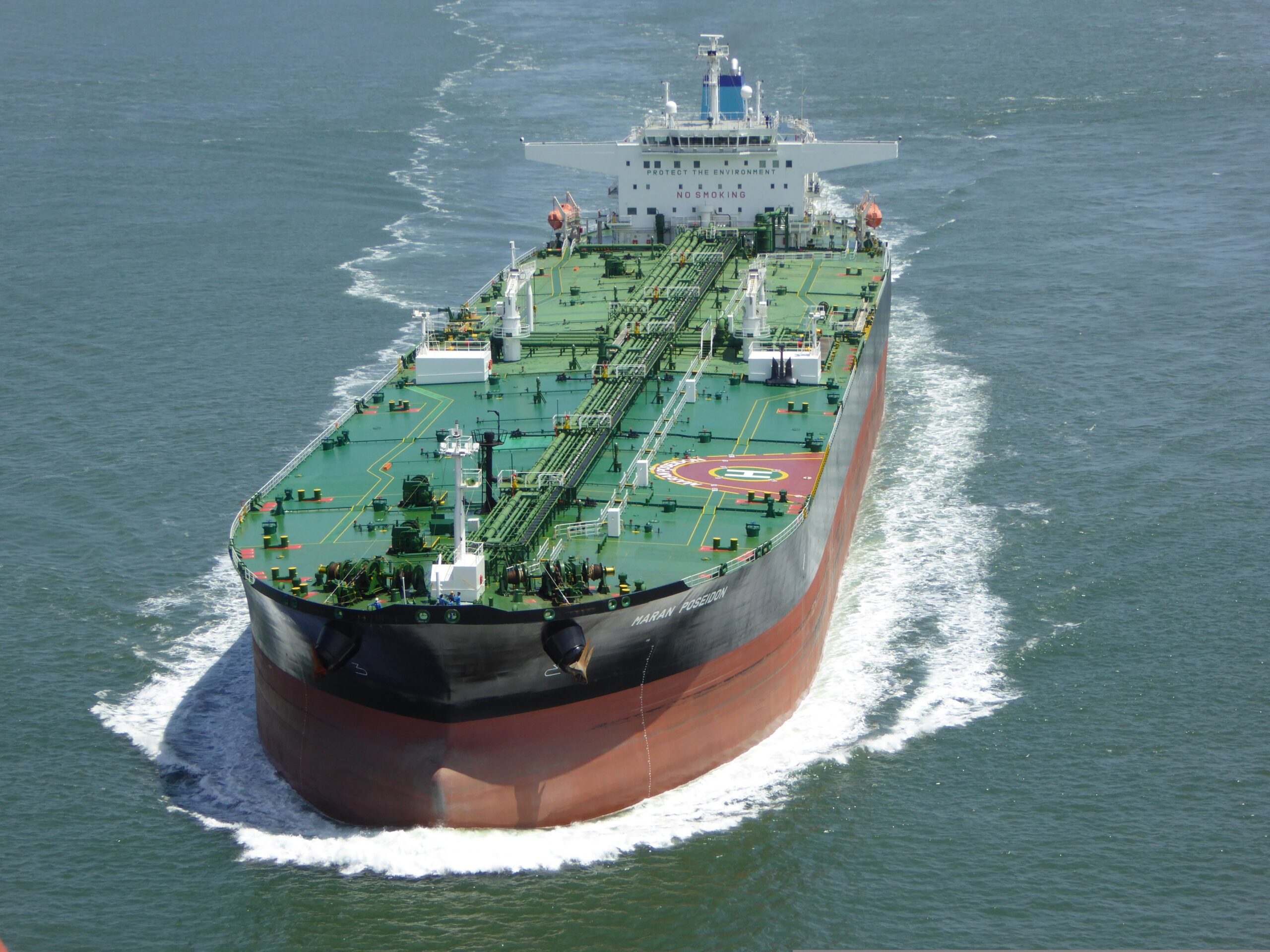
Cargo inspection is a fundamental component of maritime logistics, ensuring that goods transported across oceans arrive safely, accurately, and in compliance with international standards. In the maritime industry, cargo inspections are generally categorized into two main types: wet cargo inspection and dry cargo inspection.
Wet cargo inspection involves the measurement and verification of liquid commodities such as crude oil, refined petroleum products, chemicals, and edible oils. Because these products are transported in large quantities and have high commercial value, precise quantity measurement is critical during loading and discharge operations.
Professional marine surveyors use specialized equipment and internationally recognized procedures to measure tank volumes, temperature variations, and product density. These calculations ensure that the quantity loaded onto the vessel matches contractual agreements and that the product quality meets required standards.
Dry cargo inspection, on the other hand, focuses on solid commodities transported in bulk or packaged form. Common examples include rice, wheat, sugar, fertilizer, salt, steel materials, and containerized cargo. During dry cargo inspections, surveyors verify the condition of packaging, confirm cargo quantities, and inspect storage facilities such as warehouses and vessel holds.
Inspection professionals also monitor loading and unloading operations to ensure that cargo is handled properly and protected from contamination or damage. These inspections are especially important for agricultural commodities and food-grade products, where quality preservation is essential.
Companies like OMIS Marine Inspection Services Limited specialize in both wet and dry cargo inspection services, providing clients with reliable verification and professional reporting. Their services help protect the financial interests of cargo owners, shipping companies, and insurers by ensuring transparency throughout the cargo handling process.
With global trade involving increasingly complex supply chains, cargo inspection services remain a critical safeguard for maintaining accuracy, compliance, and trust in maritime commerce.